
By Pam Farrel

When Was the Last Time You Ran a Love Tank Diagnostic?
It had been a long day, at the end of a long weekend.
We had driven up into the mountains to stay on my brother’s cattle ranch, then teach at his church and meet with the leadership team over a country lunch created by homemade chefs that could rival the Pioneer Woman.
When we went to start up our new used car, it needed a jump even though Bill had just replaced the battery a few weeks before.
My brother gave us a jump and the engine revved. Bill and my brother were confident that we could make it down the hill to the closest AutoZone. Bill wanted to run a diagnostic test to see if the issue was the battery or the alternator.
Down the Mountain
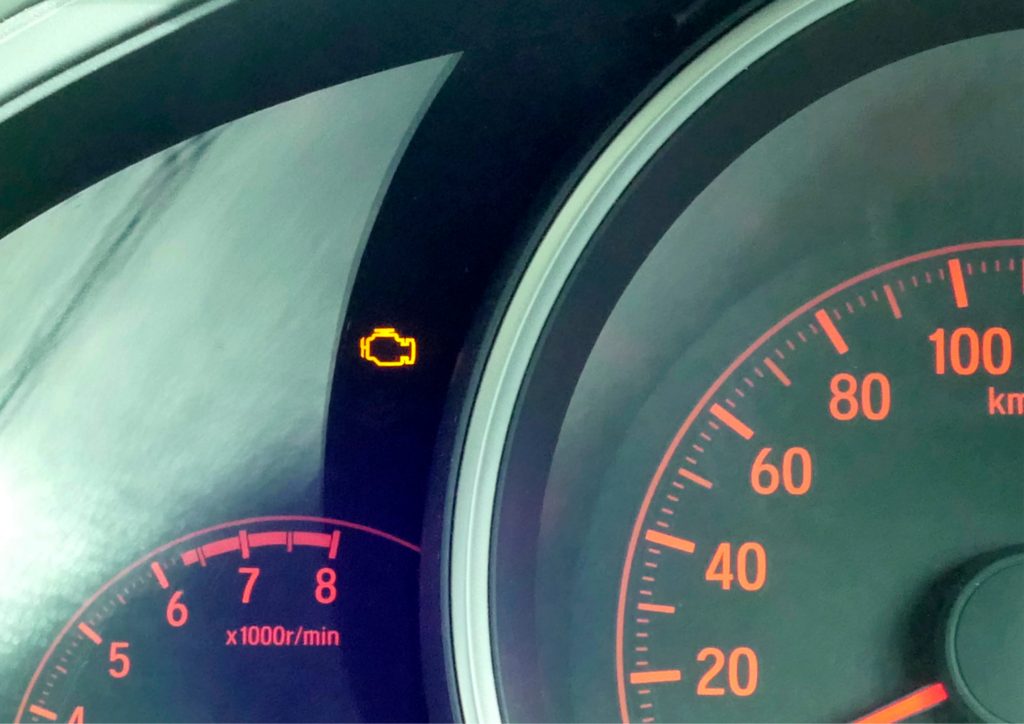
It was nearly sunset as we made the hour-long trek down the twisting single lane mountain road. Bill noticed our engine gage warning lights flickered on, so we prayed as we made our way into the parking lot.
When Bill ran the diagnostics, the news was a good news/bad news situation. Bad News, it was the alternator; Good news, the parts store had one—and Bill is not only a great preacher, but he can fix any car we’ve ever owned like he was a mechanic!
As the non-mechanically inclined member of our marriage team, I began to run my own diagnostic test using a tried-and-true set of questions that have helped us navigate a wide variety of irritating emergencies:
How can I best support and help my husband right now?
I asked Bill if I could be of help by handing him tools or grabbing a snack at a nearby fast food or locating any information on the internet that might speed the task along. He replied, just as I thought, that he would be flying solo on the repair.
A few verses flew through my mind: “Carry each other’s burdens, and in this way you will fulfill the law of Christ” (Galatians 6:2 NIV).
“Two are better than one, because they have a good return for their labor: If either of them falls down, one can help the other up …” (Ecclesiastes 4:9–10 (NIV)
I decided I would do work for our ministry on my phone—till the sun set and the phone battery ran low. I offered to pick up a snack for Bill, and I walked to a nearby Walmart to recharge my phone—and I prayed. My mind jumped to the next diagnostic question:
How can I protect the peace in this moment—even if that means choosing silence?
My Own Diagnostic
As I walked, I prayed, and when I returned to the car which had been wisely parked under a bright parking lot light in front of the neon-sign of the auto store.
I repeated the offer of help to Bill as I handed him a protein bar. He was deliberately laser focused, a man of action and few words.
As the time ticked away, I knew asking a barrage of questions of Bill would slow his pace, so I prayed quietly.
It has taken me (and Bill) 46 years to cultivate an atmosphere of peace. The last book I wrote was a Bible study on the book of Proverbs, so its cautions permeated my mind as I prayed: for self-control when I wanted to voice my fears and frustrations:
“The one who has knowledge uses words with restraint, and whoever has understanding is even-tempered. Even fools are thought wise if they keep silent” (Proverbs 17:27–28, NIV).
Hours raced by. In hope, I walked to a close fast-food café and grabbed dinner we could eat once the problem was solved. As I walked, in my mind, I ran various scenarios. Should we get a hotel? No, I had an oncology appointment early in the morning, which was giving Bill extra motivation. Should we call friends in the area so I could wait at their home? No time for that had long past and I knew we would want to get right on the road.
Speaking Life at Midnight
As the clock edged toward midnight, Bill finally shut the hood and turned the key to the welcoming sound of a roaring engine. Immediately, my mind shifted to the most vital question in the series:
How can I speak life and positivity instead of complaint right now?
I complimented Bill on his ability to fix anything from a car to a person’s heart or home. I sympathized with him and expressed my gratitude that he would be driving the final two hours home. I expressed my heartfelt feelings that I married well when I married him.
The ride home was actually a delight as we reminisced on how far we had come as a couple. Gone were the snappy words, accusatory tones, or irritating questions. We had learned to love and value silence, serenity and supporting one another. We had learned the value of applying verses like:
“Do not let any unwholesome talk come out of your mouths, but only what is helpful for building others up” (Ephesians 4:29 NIV).
“Do everything without grumbling or arguing, so that you may become blameless and pure” (Philippians 2:14–5).
As we pulled into the driveway about 2 am, we turned, smiled and simply whispered, “Thank You, Lord.”
Pam Farrel is the author of 60+ books including bestselling Men Are Like Waffles, Women Are Like Spaghetti. Together, the Farrels co-direct Love-Wise ministries. Love-wise.com