
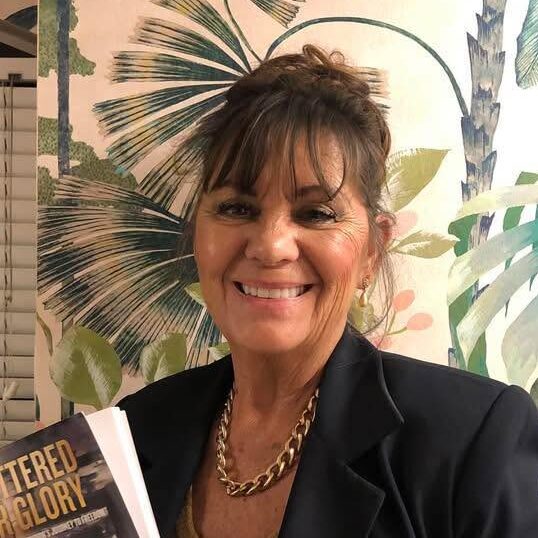
By Jeanne Roberson
At a well-known preschool, a teacher discovered a group of four-year-olds gathered in a corner of the playground.
The girls were lifting their dresses, showing each other their panties, decorated with rainbows, unicorns, and butterflies. The little boy proudly lowered his trousers to show off his new Superman underwear.
Without images on undergarments, the children wouldn’t have had a reason to show them. Are images really necessary on children’s underwear?
Imagine my astonishment when I learned one of those little girls was my granddaughter.
Asking The Hard Questions
Could this be a subtle form of grooming, aimed not only at children but also at parents and grandparents?
Is the deliberate use of media, marketing, and cultural messaging to influence children a form of grooming? Some call it cultural influence. Personally, I don’t see much difference— it subtly grooms parents and grandparents as well as our children, and we don’t realize it.
The Messages Hiding In Plain Sight
We buy the products, turn on the TV or internet, and rarely consider the long-term effects of what our kids are watching.
How are the characters dressed? Is the show truly ageappropriate? Are seven-year-olds watching programs meant for tweens, ages eight to twelve? Repeated exposure to specific ideas shapes children’s behavior and who they want to become.
Over time, these ideas are normalized, leaving them more vulnerable to manipulation and predatory influences.
Being Their Protectors
The Bible says, “Train up a child in the way he should go, and when he is old he will not depart from it” (Proverbs 22:6 NKJV).
Once children begin using computers, tablets, and phones, they become vulnerable to online predators lurking in chat rooms and gaming platforms.
How Can We Keep Our Kids Safe?
Here are some ideas:
• Teach children early to distinguish appropriate from inappropriate touching.
• Don’t force a child to hug or kiss anyone, including family members. Let it be their choice.
• Explain the importance of privacy. Remind them to close the door when toileting, changing, or bathing.
• Make sure your child knows the difference between a secret and a surprise, and the importance of telling you if anyone, even a family member, asks them not to tell.
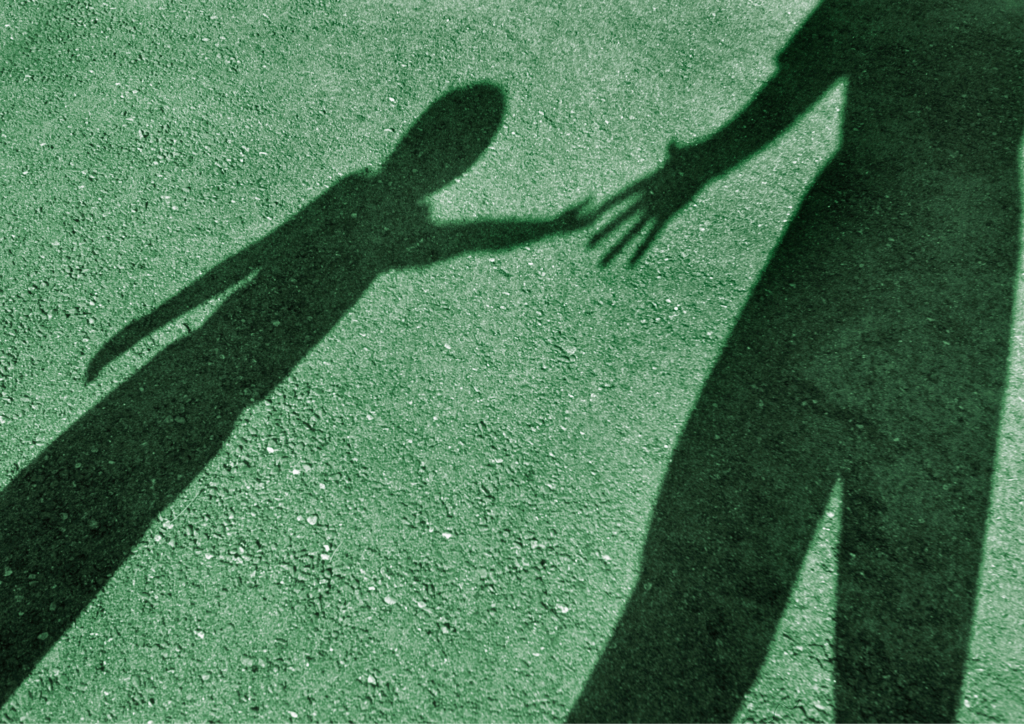
• Most importantly, build trust. Tell them they can talk to you about anything, that you won’t get angry, and that no matter how bad the problem is, you’ll work it out together.
• Monitor and limit screen time on phones, tablets, and television. Encourage reading, art, and creative play instead.
• Implement parental controls on all devices, since unexpected ads can spark curiosity.
• Talk to them about inappropriate content, and stress the need to come to you immediately if someone has shown them something inappropriate, even a friend.
• Be a good example by avoiding sites and shows you don’t want your child to view.
• Know your children’s passwords, and set boundaries and time limits for device use.
• Create a signed phone agreement defining the rules and dangers. Tell your child not to delete inappropriate images until authorities are notified—it may involve trafficking victims, and the trafficker may be pursuing your child.
Tools That Can Help
Gabb, Bark, and other companies offer parental-controlled phones that let children talk with family and friends but block internet, social media, app stores, and unsafe sites. Education is the key to keeping our children safe.
Jeanne Roberson is an AntiTrafficking Advocate, Author and Speaker who works in the Christian film industry. To find out more about her ministry and story check out inspiringsouls.com.